
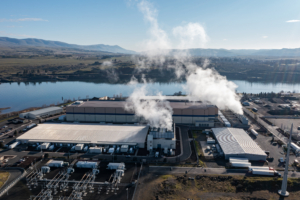
The rapid growth of cloud computing, artificial intelligence, and digital services has intensified scrutiny of data center energy consumption. While advances in server technology continue to improve processing efficiency, cooling remains a major contributor to facility power demand. Operators seeking meaningful reductions in energy use are looking beyond mechanical systems alone and are focusing on airflow management. Advanced thermal barriers are critical to modern data center cooling strategies, helping facilities minimize wasted cooling capacity, improve temperature control, and advance sustainability goals.
The Core Challenge: Airflow Inefficiency and Thermal Leakage
Cooling performance inside a data center depends on maintaining a clear separation between cold supply air and hot exhaust air. Hot aisle and cold aisle configurations are designed to support this, allowing servers to receive conditioned air while directing heat away from critical equipment. Problems arise when hot and cold air streams mix. Once thermal leakage occurs, cooling units must work harder to retain target temperatures, consuming more energy than necessary. Rather than cooling equipment efficiently, a portion of the conditioned air is effectively wasted.
Common consequences include:
- Thermal short-circuiting
- Server hot spots
- Higher cooling energy consumption
- Increased downtime risk.
Beyond higher utility costs, poor airflow management can accelerate component wear and place additional strain on cooling infrastructure. Thermal barriers address these challenges by forming a physical seal between hot and cold environments, maximizing thermodynamic efficiency throughout the facility.
The Role of Advanced Materials in Thermal Containment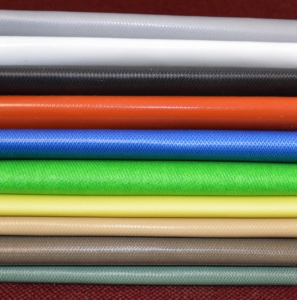
Many containment systems rely on conventional vinyl or PVC curtains to separate airflow zones. Although these materials can provide basic containment, they often struggle to deliver long-term performance in demanding data center environments. Constant airflow, temperature fluctuations, and routine maintenance activities can gradually reduce their effectiveness.
Regular challenges include:
- Material stretching and deformation
- Dust accumulation
- Reduced sealing effectiveness
- Frequent replacement requirements.
For facilities seeking reliable environmental control, engineered thermal barriers act as a more durable solution. Material selection directly influences containment performance, establishing advanced textiles as an important component of modern cooling strategies.
ARMATEX® Coated Fabrics and Textiles can provide dependable thermal containment in high-performance environments. They keep conditioned air within designated cold aisles while directing heated exhaust air toward return pathways. The outcome is improved airflow management and more efficient cooling operations.
Equally important, the ARMATEX® product line offers versatility across a wide range of containment applications. Silicone and other specialized coatings can be selected to match specific performance requirements, whether the project involves flexible containment curtains, enclosure systems, panel seals, or other environmental control components. By incorporating advanced thermal barriers into containment designs, operators can improve efficiency and sustain long-term durability. ARMATEX® materials also help support more consistent temperature control across server rows, reducing airflow variability and improving overall cooling predictability in the data center.
Meeting Strict Regulatory and Safety Standards
Data centers house highly sensitive electronic equipment, meaning safety is a vital consideration alongside thermal performance. Each material introduced into the environment must support both operational reliability and regulatory compliance.
Fire protection is a primary concern. Electrical systems, power distribution equipment, and densely packed server racks generate conditions where containment materials must perform under demanding circumstances. Selecting products based solely on airflow control can leave important safety requirements unaddressed.
Industry standards often set strict criteria for flame resistance, smoke generation, and material durability. ARMATEX® Coated Fabrics and Textiles have fire-resistant properties that function as effective thermal barriers and support such requirements. Data center operators can combine thermal containment and safety performance within a single material solution and thus strengthen environmental control without compromising facility protection.
Measurable Benefits of Thermal Barriers: ROI and Sustainability Metrics
Well-designed containment strategies deliver measurable operational and environmental benefits. Thermal barriers reduce thermal leakage and improve airflow control, ensuring cooling systems can operate more efficiently and support lower Power Usage Effectiveness (PUE) values.
A refined containment system can offer:
- Reduced HVAC energy demand
- Lower operating costs
- Decreased carbon emissions.
As cooling equipment works more optimally, facilities often experience lower utility expenses and a faster return on investment. Reduced electricity consumption also advances sustainability initiatives by lowering the carbon footprint associated with daily operations.
Maximizing the Value of Conditioned Air
Every watt used to cool a data center represents an investment in reliability, performance, and uptime. When conditioned air escapes its intended path, part of that investment is lost. Mid-Mountain Materials, Inc. addresses such an issue with ARMATEX® Coated Fabrics and Textiles, engineered to form durable thermal barriers that support efficient airflow containment. The result is a smarter approach to environmental control, one that protects critical infrastructure while making better use of the energy they consume. For more information about ARMATEX® Coated Fabrics and Textiles and their capabilities, reach out to Mid-Mountain Materials, Inc. Our specialists can evaluate your containment needs and recommend materials that enable efficient airflow management, durability, and long-term performance.