
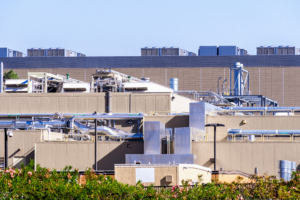
The architecture of modern data centers is changing as rapidly as the workloads they host. Increasing rack densities and AI-driven computing demands are accelerating the shift toward liquid cooling, forming settings where heat, moisture, and sensitive electronics operate in closer proximity than ever before. Protecting critical infrastructure in these environments extends beyond cooling equipment and heat removal. High-temperature protective fabrics provide an additional layer of thermal and environmental resilience that delivers safe, reliable operation.
The Thermal Reality of Liquid Cooling Infrastructure
Liquid cooling adoption typically follows a staged approach. Most data center facilities introduce direct-to-chip cooling or immersion cooling through phased deployments, generating hybrid environments where liquid-cooled systems operate alongside traditional air-cooled equipment.
Within the hybrid infrastructures, thermal management becomes considerably more complex. Coolant manifolds, connection points, valves, and distribution lines often occupy the same physical space as legacy server hardware. At the same time, ultra-high-density racks produce concentrated heat loads that place continuous stress on surrounding components and supporting materials.
Meanwhile, operators must address several secondary challenges associated with liquid cooling installations. High-density containment zones can form localized conditions that affect equipment performance and reliability.
Common concerns include:
- Radiant heat transfer from densely packed server clusters
- Condensation forming on chilled coolant lines
- Moisture accumulation in enclosed spaces
- Coolant leaks near sensitive electronics
- Temperature imbalances between neighboring racks.
Because cooling infrastructure involves more than active thermal systems, data centers require passive protective solutions that can withstand demanding operating conditions while safeguarding vital equipment. High-temperature protective fabrics help address many of these concerns by generating protective barriers within complex cooling environments.
Where High-Temperature Protective Fabrics Fit in Next-Generation Cooling
Beyond their industrial origins, high-temperature protective fabrics have become useful components in advanced data center design. Their ability to manage heat, isolate equipment, and provide environmental protection makes them particularly beneficial to facilities supporting AI-driven workloads.
In hybrid cooling environments, specialized textile barriers help separate hot and cold zones. Hot aisle and cold aisle containment systems frequently rely on flexible fabric solutions to prevent thermal mixing and improve airflow efficiency. By preserving clearer temperature boundaries, operators can reduce cooling inefficiencies and improve system performance throughout the data hall.
Another important application of high-temperature protective fabrics involves dielectric and environmental shielding. High-temperature protective fabrics can serve as protective jackets surrounding coolant distribution lines, cable assemblies, and high-voltage infrastructure. Should a coolant leak occur, these barriers help shield nearby equipment from moisture exposure while forming an extra layer of separation between critical systems.
Equally important is thermal isolation. AI training clusters and GPU-intensive racks often produce substantially more heat than adjacent servers. Without localized protection, radiant heat can migrate into neighboring equipment and produce undesirable thermal conditions. High-temperature protective fabrics act as thermal barriers that reduce heat transfer, promoting more stable temperatures across mixed-density deployment.
ARMATEX® Coated Fabrics and Textiles: Advanced Engineering for Data Halls
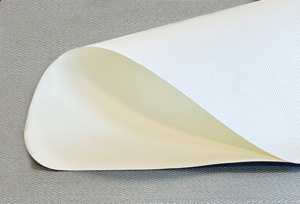
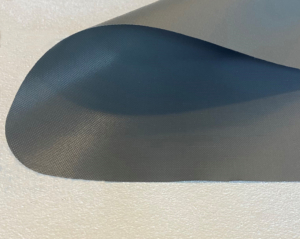
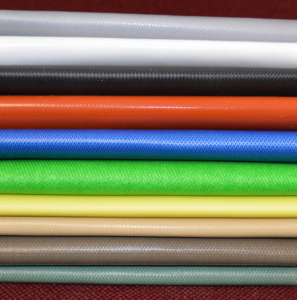
Among the solutions supporting advanced cooling infrastructure, ARMATEX® Coated Fabrics and Textiles provide a versatile combination of thermal resistance, flexibility, and environmental protection. Made for demanding industrial applications, ARMATEX® products can perform in environments where temperature extremes and mechanical stresses are common.
At the material level, ARMATEX® fabrics incorporate advanced substrates such as fiberglass, silica, and aramid blends. Specialized coatings, including silicone, ceramic, and refractory formulations, enhance performance while allowing the fabric to adapt to a wide range of operating conditions.
From a fluid management perspective, silicone-coated ARMATEX® products offer valuable resistance to moisture, condensation, and synthetic cooling fluids. Data center designers can use ARMATEX® Coated Fabrics and Textiles as containment shrouds, protective wraps, or localized barriers to reduce the risk of coolant exposure reaching active electronics.
Fire safety is another critical consideration. Electrical systems, power distribution equipment, and high-density computing environments all benefit from passive fire protection. ARMATEX® coatings provide strong flame-retardant properties that help contain localized thermal events and decrease the potential for fire propagation.
Unlike rigid insulation materials, ARMATEX® fabrics also deliver exceptional flexibility. Their lightweight construction allows them to conform closely to coolant lines, rack configurations, and confined installation spaces without consuming valuable enclosure volume. As facilities continue increasing rack density, that flexibility becomes an important design advantage.
Enhancing Data Center Protection Through High-Temperature Protective Fabrics
ARMATEX® Coated Fabrics and Textiles from Mid-Mountain Materials, Inc. can meet the evolving needs of next-generation data center cooling. Designed for challenging cooling environments, ARMATEX® solutions provide thermal protection, environmental resistance, and installation flexibility to safeguard data center infrastructure. Reach out to Mid-Mountain Materials, Inc. now to learn more about ARMATEX® Coated Fabrics and Textiles and how they can refine the long-term performance of your data center.